Why Do Walk-In Coolers and Freezers Lose Efficiency Over Time?
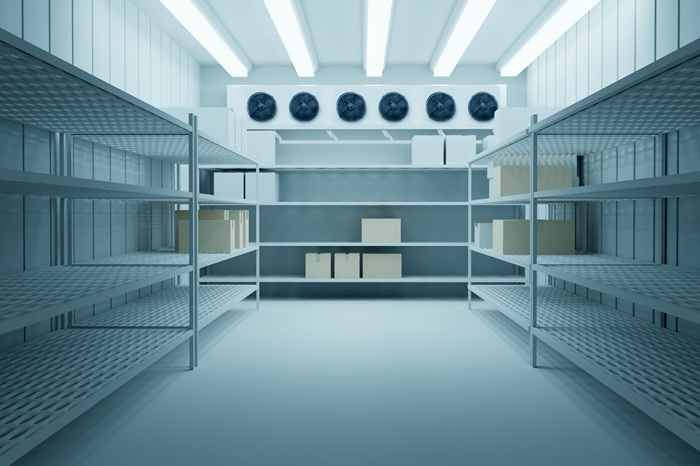
Walk-in coolers and freezers are built to deliver consistent, controlled temperatures for demanding commercial environments, yet even the most well-designed systems gradually lose efficiency over time. Many facility managers first notice this through rising energy costs, longer compressor run times, or inconsistent interior temperatures. These changes rarely stem from a single failure. Instead, they develop through a combination of mechanical wear, environmental factors, and gradual degradation of critical components that support refrigeration performance.
Understanding why these systems lose efficiency requires a closer look at how airflow, insulation, refrigeration cycles, and ambient conditions interact. Solid Refrigeration works with businesses that rely on dependable cold storage, and recurring patterns show that small issues—such as worn door gaskets or minor coil buildup—can lead to measurable performance loss. This article explores the key factors behind declining efficiency, including how door seals and insulation affect walk-in coolers, the impact of evaporator coil buildup, how surrounding HVAC conditions influence operation, the role of maintenance in preventing losses, and how hidden energy inefficiencies can be identified before they escalate.
How Door Seals and Insulation Impact Walk-In Cooler Efficiency
Door seals and insulation form the primary thermal barrier in any walk-in cooler or freezer. When these components are intact, they prevent warm, humid air from entering the refrigerated space and stop conditioned air from escaping. Over time, door gaskets can crack, compress, or lose elasticity, creating small gaps that allow air infiltration. Even minor leaks force the refrigeration system to work harder to maintain set temperatures, increasing compressor cycles and energy consumption.
Insulation degradation is less visible but equally significant. Walk-in panels are designed with high R-values to limit heat transfer, but moisture intrusion or physical damage can reduce their insulating capacity. When insulation becomes compromised, heat gain increases steadily, placing continuous load on the evaporator and condensing units. This leads to longer run times and inconsistent temperature distribution within the unit.
In commercial environments where doors are frequently opened, the condition of seals becomes even more critical. Facilities using walk-in coolers often see measurable efficiency improvements simply by maintaining tight seals and ensuring insulation integrity. These components directly influence thermal stability and system workload, making them foundational to long-term refrigeration performance.
Why Evaporator Coil Buildup Reduces Refrigeration Performance
The evaporator coil plays a central role in absorbing heat from the walk-in environment. For this heat exchange process to work efficiently, airflow across the coil must remain unobstructed. Over time, dust, grease, and ice accumulation can build up on the coil surface, acting as an insulating layer that reduces heat transfer efficiency.
When buildup restricts airflow, the system compensates by running longer cycles to achieve the desired temperature. This not only increases energy consumption but also accelerates wear on key components such as fans and compressors. Ice accumulation presents an additional issue by physically blocking airflow, which can lead to uneven cooling and temperature fluctuations within the space.
Routine cleaning and proper defrost cycles are critical to maintaining evaporator efficiency. Without regular attention, coil buildup gradually reduces system performance, leading to higher operating costs and reduced equipment lifespan. This is one of the most common and preventable causes of declining refrigeration efficiency in commercial systems.
How HVAC Temperature Changes Affect Walk-In Cooler Operation
Walk-in coolers and freezers do not operate in isolation. Their performance is closely tied to the ambient conditions of the surrounding space, which are influenced by HVAC systems. When the ambient temperature rises, especially in kitchens or production areas, the refrigeration system must work harder to reject heat through the condenser.
Higher surrounding temperatures reduce the efficiency of heat exchange at the condenser coil, causing elevated head pressure within the system. This results in increased compressor workload and energy consumption. Conversely, large temperature swings in the environment can lead to inconsistent system cycling, which affects overall stability and efficiency.
Proper coordination between HVAC systems and refrigeration equipment is necessary to maintain consistent performance. Stable ambient conditions help ensure that the refrigeration system operates within its designed parameters, reducing strain and improving long-term efficiency. Environmental control is often an overlooked factor that directly impacts refrigeration performance.
What Maintenance Prevents Efficiency Loss in Walk-In Freezers
Preventative maintenance is the most effective way to slow efficiency loss in walk-in freezers. Key maintenance tasks include inspecting door gaskets, cleaning evaporator and condenser coils, checking refrigerant levels, and verifying proper airflow throughout the system. Each of these elements contributes to maintaining optimal heat exchange and system balance.
Neglected maintenance allows small inefficiencies to compound over time. For example, a slightly dirty condenser coil reduces heat rejection efficiency, which increases compressor workload. Combined with minor air leaks or airflow restrictions, these issues create a cumulative effect that significantly reduces overall system performance.
Scheduled inspections and servicing help identify early signs of wear or inefficiency before they lead to major failures. Regular maintenance not only preserves efficiency but also extends equipment lifespan and maintains consistent temperature control, which is critical for product safety in commercial refrigeration environments.
How to Detect Hidden Energy Losses in Commercial Refrigeration Systems
Hidden energy losses in commercial refrigeration systems often develop gradually and go unnoticed until utility costs increase or performance declines. Common indicators include longer compressor run times, inconsistent interior temperatures, and excessive frost buildup. These symptoms point to underlying inefficiencies that require detailed inspection.
Advanced diagnostics, such as monitoring energy consumption patterns and evaluating system pressures and temperatures, can reveal inefficiencies that are not immediately visible. Air leaks, insulation breakdown, and airflow restrictions are frequent contributors to hidden energy loss. Identifying these issues early allows for targeted corrections that restore efficiency.
Businesses working with Solid Refrigeration in Bloomington, MN often uncover these hidden losses through detailed system evaluations. Addressing these inefficiencies improves performance, reduces operating costs, and ensures the refrigeration system continues to meet the demands of commercial operations.
At Solid Refrigeration, we understand how critical efficiency is to your walk-in coolers and freezers. From worn door seals and failing insulation to evaporator coil buildup and environmental impacts, every factor plays a role in system performance. Our team works directly with businesses to identify the root causes of inefficiency and provide practical solutions that restore proper operation.
We offer comprehensive inspections, maintenance services, and system evaluations designed to address issues like airflow restrictions, temperature inconsistencies, and hidden energy losses. Whether you're dealing with rising energy costs or uneven cooling, our experience allows us to pinpoint the exact cause and recommend the right course of action.
If your refrigeration system is not performing as expected, contact Solid Refrigeration at 952-854-2850 or visit us at 1125 American Boulevard East, Bloomington, MN. You can also contact us online to schedule an evaluation and get your system back to peak efficiency.