How to Choose the Right Commercial HVAC System for Your Business
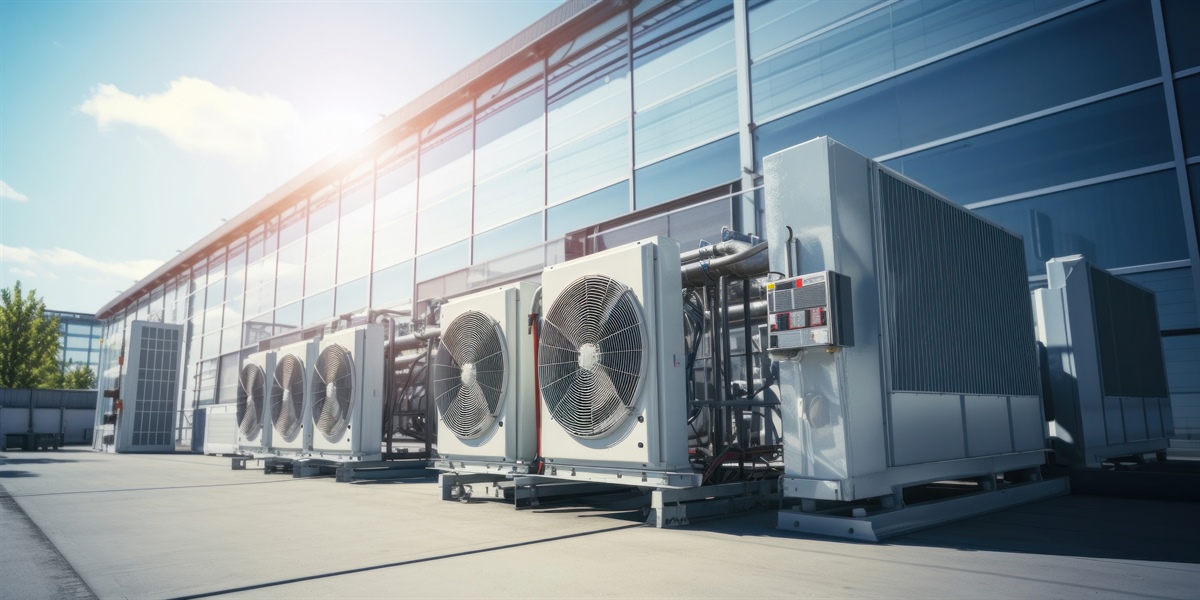
Choosing the right commercial HVAC system can have long-term implications on a business’s operating costs, employee productivity, and customer comfort.
For property managers, facility owners, or developers managing commercial spaces, HVAC selection isn’t just a technical choice—it’s a strategic investment.
System efficiency, long-term serviceability, and adaptability to structural constraints all influence whether your building operates smoothly through the seasons.
The challenge lies in evaluating these factors against the backdrop of available technologies and the specific demands of your space.
For those unsure where to start, understanding the technical, spatial, and environmental variables at play is the first step toward making an informed, confident choice. You can explore more about our commercial HVAC services to understand how these systems function across different commercial settings.
In the rest of this article, we’ll go deeper into five critical aspects to consider when selecting a commercial HVAC system. Each section is designed to give you the in-depth knowledge needed to make the best decision for your commercial property’s HVAC needs.
Key Considerations for HVAC Selection in Multi-Story Office Buildings
When selecting an HVAC system for a multi-story office building, one of the most critical factors to address is zoning.
Zoning allows different floors or sections of the building to be heated or cooled independently. This is particularly important in commercial office spaces, where occupancy, equipment loads, and sun exposure can vary widely from one floor to another. Implementing variable air volume (VAV) systems or installing dedicated units per zone can ensure balanced temperature control across all levels of the building.
Vertical infrastructure also plays a key role. Multi-story facilities require extensive ductwork, piping, and electrical runs, which must be integrated into building shafts and mechanical rooms.
Engineers must account for space constraints, ceiling heights, and the load-bearing capacity of rooftops if planning for packaged units.
Additionally, the building’s existing ventilation and fire suppression systems must be evaluated for compatibility with the proposed HVAC solution. Failure to align these systems during design can lead to costly retrofits later.
Energy efficiency and controls integration are further considerations. Multi-story offices often benefit from centralized building management systems (BMS) that monitor HVAC performance and allow for remote control of temperature zones.
Choosing systems with built-in smart controls helps reduce operating costs while maintaining occupant comfort. For commercial buildings in the Minneapolis-St. Paul area, commercial hvac solutions must also comply with local energy codes and building regulations, which adds another layer to the decision-making process.
Impact of Size & Layout on HVAC System Design
The physical dimensions and interior layout of a commercial space directly influence HVAC design choices. Square footage determines the system’s required capacity, while the configuration of walls, windows, doors, and partitions dictates airflow distribution.
For example, open-plan layouts may require fewer zones and simpler ducting, while segmented offices or mixed-use spaces often demand more complex configurations with variable-speed fans and zoning controls to maintain uniform climate conditions.
Ceiling height also impacts airflow dynamics. Tall ceilings in showrooms or warehouses may need stratification prevention techniques like destratification fans or overhead diffusers to maintain consistent temperatures.
Moreover, areas with high occupant density, such as conference rooms or call centers, place increased demand on ventilation and cooling capacity. In such cases, the HVAC system must be designed to handle fluctuating thermal loads efficiently without causing discomfort or system stress.
Accessibility and placement of mechanical components must also be considered. For large commercial footprints, rooftop systems or multiple air handler units strategically located throughout the building can minimize long duct runs and pressure losses.
In buildings where rooftop installation isn't feasible, split systems with indoor evaporators and external condensers may offer a viable alternative. Businesses seeking long-term efficiency and reliability often work with providers offering integrated integrated refrigeration services that align with HVAC planning.
Packaged Rooftop Units vs. Split Systems: Pros and Cons in Commercial Settings
Choosing between packaged rooftop units (RTUs) and split systems depends on installation logistics, building structure, and service goals. Packaged RTUs consolidate all heating and cooling components into a single cabinet, typically installed on the building’s roof.
These systems offer a compact footprint, simplified maintenance, and reduced indoor space requirements. They are well-suited for large commercial structures with accessible rooftops and straightforward duct routing.
On the other hand, split systems separate the condenser and evaporator components, allowing for more flexible installation in buildings without adequate rooftop space.
These systems can be ideal for smaller commercial spaces or where noise and aesthetics must be managed carefully. Split systems often provide superior zone control and may be easier to retrofit into existing mechanical frameworks, especially in buildings with physical constraints that limit rooftop loading.
While packaged units generally have a lower upfront cost and streamlined installation, they may be more susceptible to weather-related wear and can be harder to expand upon in the future.
Split systems, although potentially more expensive initially, offer increased modularity and interior component protection. Commercial property managers must weigh these factors against the expected lifecycle costs and building access requirements when determining the right fit for their application.
How Climate Conditions Influence HVAC Equipment Selection
The local climate plays a significant role in selecting a commercial HVAC system. In regions like Minnesota, where Solid Refrigeration operates, buildings must endure wide temperature swings and seasonal extremes.
HVAC systems need to be robust enough to provide reliable heating during freezing winters while also offering efficient cooling during hot and humid summers. This dual demand requires systems with high-efficiency heat pumps or integrated heating elements like gas furnaces or electric resistance heaters.
Humidity management is another critical climate-based consideration. High indoor humidity can lead to condensation, mold growth, and reduced air quality, particularly in tightly sealed buildings.
HVAC systems equipped with advanced dehumidification capabilities or energy recovery ventilators (ERVs) can help regulate moisture levels. In colder climates, these same ERVs also help maintain indoor comfort by pre-conditioning incoming air and improving energy efficiency.
Climate also affects component durability. Equipment installed in areas with snow, ice, or frequent freeze-thaw cycles should have protective housing, weather-resistant coatings, and proper drainage systems.
Failure to account for these environmental conditions can lead to premature corrosion and component failure. When evaluating HVAC options, it’s essential to consider not just how well the system performs under ideal conditions, but how resilient it is under the stress of the local environment.
Why Scalability Is Essential for Growing Businesses
Scalability ensures that your HVAC system can adapt to the evolving needs of a growing business without requiring a complete system overhaul. As companies expand, reconfigure interior layouts, or increase occupancy levels, HVAC demands change.
Systems that cannot scale may become undersized or inefficient, leading to increased operational costs and reduced occupant comfort. Planning for future growth involves selecting systems that can accommodate additional zones, larger capacities, or new technologies as needed.
Modular systems offer one of the best approaches to scalability. These allow components such as air handlers, condensers, or ducting segments to be added incrementally.
Variable refrigerant flow (VRF) systems, in particular, provide exceptional flexibility by enabling multiple indoor units to connect to a single outdoor unit with independent control. This type of configuration is ideal for businesses anticipating phased expansions or frequent space repurposing.
Software-based controls also play a role in scalability. Systems integrated with cloud-based management tools or building automation systems (BAS) can adapt through software updates or reprogramming, avoiding the need for extensive mechanical changes.
When planning HVAC for a growing company, it’s important to select a partner capable of supporting long-term facility goals. For full details on what Solid Refrigeration can offer, please contact us to explore adaptable system options that align with your future growth plans.
Partner with Solid Refrigeration for Long-Term Commercial HVAC Solutions
Located in Bloomington, MN, Solid Refrigeration has served Minnesota businesses for years with reliable commercial HVAC services tailored to a wide variety of industries and building types.
Our experienced team takes a consultative approach to design, installation, and support, helping our clients future-proof their facilities and maximize HVAC performance year-round.
If you're planning a new build or upgrading an existing system, Solid Refrigeration is ready to help with every step of the process.
We specialize in precision-engineered HVAC and refrigeration solutions that not only meet current needs but anticipate future demands. For a free estimate or to schedule a consultation, call us at 952-854-2850 or visit us at Solid Refrigeration to connect with our team.