How Seasonal Changes Impact Commercial HVAC Performance
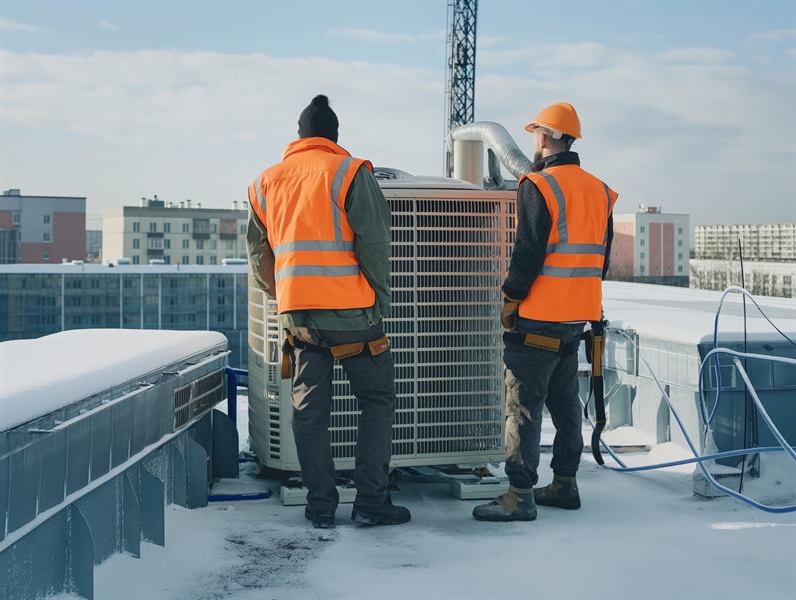
Commercial HVAC systems play a critical role in maintaining stable indoor climates, but their performance doesn’t remain constant throughout the year. As the seasons change, so do the demands placed on heating, ventilation, and air conditioning systems.
Fluctuating outdoor temperatures, humidity levels, and even building usage patterns can all have a measurable impact on how these systems function.
Whether facing subzero winters or humid summers, understanding how seasonal changes affect HVAC efficiency and reliability is essential for commercial facility managers and business owners alike.
Throughout this article, we’ll examine key considerations that ensure consistent HVAC system performance year-round. Learn more about how your commercial hvac systems respond to seasonal change and what can be done to maintain optimal conditions.
Winter HVAC Preparation: Key Maintenance Steps for Commercial Systems
Preparing commercial HVAC systems for winter is critical to ensure reliable performance during periods of low outdoor temperatures and increased heating demand.
The first step involves inspecting and testing the heating components, such as heat exchangers and ignition systems, for safety and efficiency.
Air filters must be cleaned or replaced to support optimal airflow and reduce strain on the system.
Additionally, thermostats and sensors should be calibrated to ensure accurate indoor climate control. These tasks help prevent breakdowns during cold spells and contribute to consistent energy efficiency throughout the season.
Solid Refrigeration's Proactive Maintenance
Solid Refrigeration emphasizes proactive HVAC maintenance as part of its broader refrigeration and system service offerings.
Our technicians perform routine system diagnostics, including testing airflow and pressure levels, inspecting ductwork for leaks, and checking for insulation issues that could affect system load.
Preventative measures such as lubricating moving parts and inspecting belts and pulleys help maintain operational reliability and prevent wear-induced failures.
Verifying proper drainage from condensate lines and ensuring exterior vents are unobstructed is especially important as freezing temperatures can cause water buildup and ice damage.
For businesses preparing for winter, timing is crucial. Maintenance activities should be scheduled before the first major cold snap to allow time for repairs and parts procurement.
A comprehensive seasonal tune-up not only reduces the risk of unexpected system failure but also enhances indoor air quality and comfort for occupants.
This level of preparation ensures that commercial HVAC systems in facilities across Minnesota operate efficiently and dependably throughout the heating season.
The Energy Impact of Seasonal Temperature Swings on Commercial HVAC
Seasonal temperature fluctuations have a significant impact on HVAC energy consumption in commercial environments.
In winter, systems must work harder to maintain indoor temperatures against heat loss, especially in poorly insulated structures.
In summer, the reverse is true—cooling systems operate continuously to offset heat gain from solar exposure, human occupancy, and internal equipment.
This constant fluctuation in operational load directly translates to variations in energy use, often resulting in peak utility costs during both hot and cold seasons.
Compounding Inefficiencies
When systems are not seasonally optimized, inefficiencies compound. For example, filters clogged with dust from fall debris or improperly sealed ductwork can force units to operate longer and harder than necessary.
These performance challenges lead to higher electrical consumption, increased wear on components, and shorter equipment lifespans.
Solid Refrigeration addresses these challenges through regular system performance evaluations and by applying best practices that balance heating and cooling output against seasonal conditions.
Our team’s focus on air distribution, ventilation strategies, and proper equipment sizing plays a key role in improving year-round efficiency.
By managing HVAC settings and controls according to the seasonal thermal load, businesses can better align operational costs with occupancy needs.
Strategies like heat recovery ventilation and zone-specific temperature control help maintain energy efficiency during seasonal transitions.
Companies that routinely evaluate their refrigeration services often find opportunities for HVAC integration that reduce peak load stress and optimize total system performance.
Transitioning Between HVAC Modes: Seasonal Best Practices
Switching between heating and cooling modes requires careful attention to system readiness and operating conditions.
Best practices begin with scheduling a professional inspection to verify system integrity and correct the function of both heating and cooling components.
System controls and programmable thermostats must be updated to reflect new seasonal settings. Automated schedules, setpoints, and sensor calibrations should all be reconfigured to match cooling or heating demands.
It’s also advisable to test emergency heating or cooling functions, particularly in regions where weather patterns may cause unexpected reversions to prior-season modes.
These tests prevent delays or discomfort in the event of abrupt climate shifts. Adjusting fan settings for continuous circulation during shoulder seasons can help regulate temperatures and maintain air quality without over-reliance on active heating or cooling.
Lastly, business operators should evaluate any humidity control settings during transitional periods. Spring and fall often come with moderate temperatures but fluctuating humidity levels, which can affect occupant comfort and indoor air quality.
Maintaining balanced moisture levels through integrated dehumidifiers or energy recovery ventilators contributes to system efficiency and reduces load variation during shoulder seasons.
Programmable Thermostats: A Strategic Tool for Seasonal HVAC Management
Programmable thermostats play a crucial role in optimizing HVAC system performance throughout the year.
By automatically adjusting temperature settings based on time-of-day and occupancy patterns, these devices help commercial systems operate more efficiently during both heating and cooling seasons.
They eliminate the need for manual adjustments while maintaining consistent indoor climates and reducing the frequency of system cycling, which leads to lower energy bills and extended equipment life.
In seasonal transitions, programmable thermostats provide flexibility to implement gradual setpoint adjustments. Advanced models also incorporate outdoor weather sensors, humidity controls, and learning algorithms to optimize indoor settings dynamically. These features allow the system to anticipate changes rather than merely react to them.
Businesses partnering with Solid Refrigeration benefit from expert recommendations on the selection and configuration of thermostatic controls.
By leveraging programmable and smart thermostat technologies, companies can create tailored seasonal performance profiles that align with occupancy schedules and external conditions, maintaining peak efficiency while minimizing operational oversight.
Trust Solid Refrigeration to Keep Your HVAC Systems Running Year-Round
Whether you're preparing for freezing winter nights or sweltering summer afternoons, Solid Refrigeration delivers expert support for every phase of your HVAC system’s seasonal cycle.
Based in Bloomington, MN, we’ve served Twin Cities businesses for over 15 years with a full spectrum of refrigeration and HVAC solutions tailored to commercial and industrial environments.
Get ahead of seasonal performance issues before they impact your facility. Contact Solid Refrigeration today at 952-854-2850 or request a free estimate through our online form to discover how our commercial HVAC services can help you achieve year-round comfort, control, and energy savings.