How Often Should Commercial Refrigeration Systems Be Serviced?
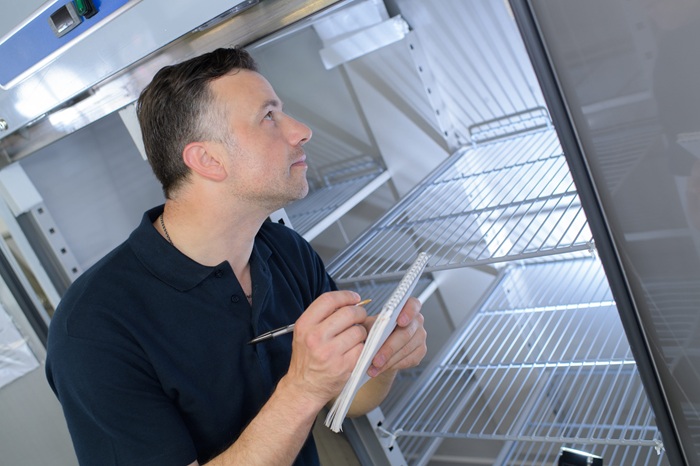
Commercial refrigeration systems are the backbone of many industries, from restaurants and grocery stores to healthcare facilities and food distribution centers. When these systems fail or underperform, the consequences can be immediate and costly—spoiled inventory, health code violations, and unexpected downtime. Understanding how often commercial refrigeration systems should be serviced is not just a matter of routine upkeep; it directly impacts operational reliability, energy efficiency, and long-term equipment performance. Businesses that follow structured maintenance schedules tend to experience fewer breakdowns and more consistent cooling performance throughout the year.
At Solid Refrigeration, consistent service intervals are viewed as a key part of maintaining system integrity, especially as environmental conditions and usage demands fluctuate. Preventive maintenance is not a one-size-fits-all approach—factors such as equipment type, load demands, and seasonal changes all play a role. In this article, we’ll explore what goes into a proper maintenance checklist, how seasonal HVAC shifts influence service timing, and how maintenance strategies differ across equipment types. We’ll also examine ways to reduce energy consumption and extend the lifespan of refrigeration systems, including the role of professional refrigeration systems service in maintaining peak performance.
What a Commercial Refrigeration Preventive Maintenance Checklist Should Include
A commercial refrigeration preventive maintenance checklist is a structured set of inspections, cleanings, and performance checks designed to keep systems operating within manufacturer specifications. Core components include condenser coil cleaning, evaporator inspection, refrigerant level checks, thermostat calibration, and verification of proper airflow. Dirty condenser coils, for example, significantly reduce heat exchange efficiency, forcing compressors to work harder and increasing energy consumption. Routine coil cleaning is one of the most critical and evidence-backed tasks in maintaining system efficiency.
Electrical components are also central to preventive maintenance. Technicians inspect wiring connections, relays, capacitors, and contactors for signs of wear or overheating. Loose or degraded electrical connections can lead to voltage drops and component failure. Additionally, drain lines and pans must be cleared to prevent microbial buildup and water overflow, which can damage surrounding equipment and create sanitation risks. Door gaskets are inspected for proper sealing, as even small air leaks can disrupt internal temperature stability.
Performance testing rounds out the checklist, including monitoring suction and discharge pressures, checking compressor operation cycles, and confirming temperature consistency across storage zones. These data points provide insight into system health and help detect early-stage inefficiencies before they become failures. Regular implementation of a detailed checklist, supported by professional refrigeration systems service, aligns system operation with design specifications and reduces unplanned downtime.
How Seasonal HVAC Changes Affect Refrigeration Maintenance Schedules
Seasonal temperature fluctuations have a measurable impact on commercial refrigeration system performance. During warmer months, higher ambient temperatures increase condenser pressure, forcing compressors to operate longer and under greater stress. This increased workload accelerates wear on mechanical components and raises the likelihood of system inefficiencies. As a result, maintenance schedules often become more frequent in late spring and summer to account for the added thermal load.
In colder months, while ambient temperatures may reduce condenser strain, other issues emerge. Systems may short cycle due to lower head pressure, and improper low-ambient controls can lead to refrigerant migration or oil return problems. Maintenance during these periods focuses on ensuring proper pressure regulation and verifying that system controls are functioning correctly under varying environmental conditions.
Seasonal HVAC interactions also influence refrigeration indirectly. Shared airflow environments, such as in grocery stores or large facilities, can affect temperature consistency and humidity levels. Maintenance schedules must adapt to these seasonal shifts, emphasizing pre-season inspections and adjustments to maintain system balance and efficiency throughout the year.
Maintenance Frequency Differences for Walk-In Coolers vs Display Cases
Walk-in coolers and display cases operate under different conditions, which directly affects how often they require maintenance. Walk-in coolers typically experience fewer door openings and more stable internal environments, allowing for longer intervals between service visits. However, their larger volume and higher thermal mass mean that when issues occur, they can have a broader impact. Maintenance for walk-ins focuses heavily on evaporator performance, airflow balance, and insulation integrity.
Display cases, on the other hand, are subject to frequent customer interaction, constant door openings (or open-air exposure), and higher variability in temperature loads. These systems are more sensitive to airflow disruptions and require more frequent inspection of fans, coils, and defrost cycles. Dust accumulation and debris buildup occur more rapidly in display cases due to their exposure to foot traffic and ambient air contaminants.
Because of these operational differences, display cases often require monthly or bi-monthly checks, while walk-in coolers may be serviced quarterly depending on usage. The variation in maintenance frequency is supported by system design differences and real-world usage patterns, making tailored maintenance schedules necessary for each equipment type.
Maintenance Tasks That Reduce Refrigeration Energy Consumption
Energy consumption in commercial refrigeration systems is closely tied to maintenance quality. One of the most effective tasks for reducing energy use is regular condenser coil cleaning. Studies show that dirty coils can increase energy consumption by up to 30% due to reduced heat transfer efficiency. Keeping coils clean allows compressors to operate within optimal pressure ranges, reducing strain and electricity usage.
Another key task is ensuring proper refrigerant charge levels. Both overcharging and undercharging can lead to inefficient operation, increased compressor workload, and higher energy costs. Technicians use pressure readings and temperature measurements to verify correct refrigerant levels. In addition, maintaining proper door seals prevents warm air infiltration, which would otherwise force the system to compensate by running longer cycles.
Fan motor efficiency and airflow management also play a significant role. Blocked airflow or failing fans disrupt heat exchange processes, increasing energy demand. Regular inspection and replacement of worn components help maintain consistent airflow and system balance. These maintenance tasks are grounded in thermodynamic principles and directly influence system efficiency and operating costs.
How Preventive Service Extends the Lifespan of Refrigeration Equipment
Preventive service extends the lifespan of commercial refrigeration equipment by reducing mechanical stress and preventing component failure. Compressors, which are among the most expensive components, benefit significantly from stable operating conditions maintained through regular service. By keeping refrigerant levels balanced and ensuring proper lubrication, preventive maintenance reduces internal wear and prolongs compressor life.
Routine inspections also identify early signs of failure in components such as fan motors, electrical connections, and expansion valves. Addressing these issues before they escalate prevents cascading failures that can damage multiple system parts. Corrosion control, coil cleaning, and proper drainage management further protect structural and functional integrity.
Over time, systems that receive consistent maintenance show slower performance degradation and maintain design efficiency longer than neglected systems. Businesses that follow structured service intervals, often guided by providers like Solid Refrigeration, experience extended equipment lifespans and more predictable operational costs.
At Solid Refrigeration, we take a hands-on approach to helping businesses maintain reliable, efficient refrigeration systems. From building detailed preventive maintenance checklists to adjusting service schedules based on seasonal demands, our team works directly with your equipment to keep everything operating at peak performance. We understand the differences between walk-in coolers and display cases, and we tailor maintenance strategies accordingly to match real-world usage.
Our technicians focus on the details that matter—cleaning coils, verifying refrigerant levels, inspecting electrical systems, and identifying early warning signs that could lead to costly breakdowns. These proactive steps not only reduce energy consumption but also help extend the life of your equipment, protecting your investment over time. Every service is grounded in proven methods and industry standards.
If you're looking for a dependable partner in refrigeration maintenance, contact Solid Refrigeration at 952-854-2850 or visit us at 1125 American Blvd E, Minneapolis, MN 55420. You can also contact us to schedule service or speak with our team about your system needs.