How Much Energy Walk-In Freezers Use & How to Lower It
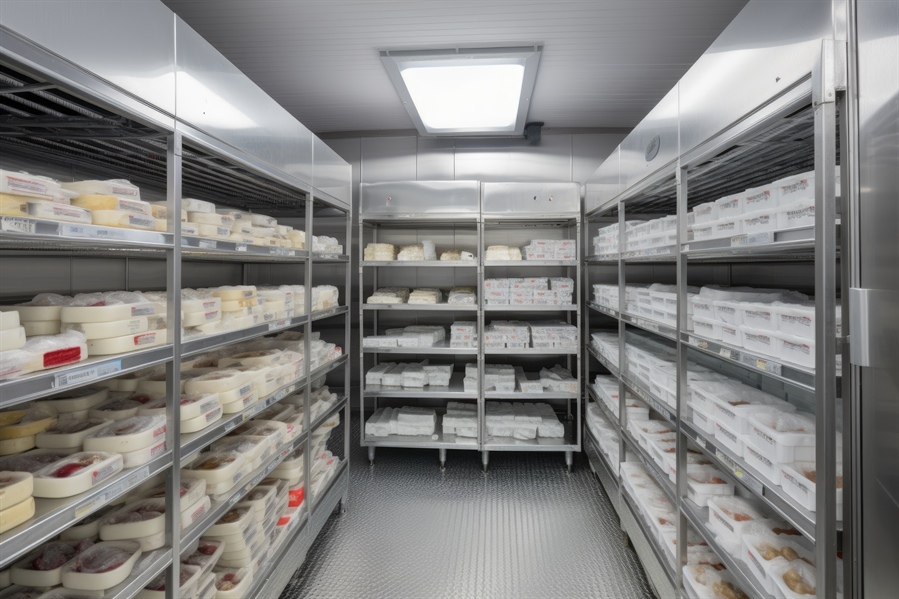
Walk-in coolers and freezers are critical components in commercial kitchens, grocery stores, and food processing facilities. These units run around the clock, keeping perishable goods at safe temperatures.
Because of their continuous operation, they are also some of the most energy-hungry appliances in a facility. Understanding how much energy they consume — and more importantly, how to reduce that consumption — is key to managing utility costs, meeting sustainability goals, and prolonging equipment life.
On average, these units can account for 30% or more of a facility’s electricity usage, depending on size, insulation quality, door traffic, and unit age.
Energy efficiency isn't just about saving money — it’s also about reducing maintenance costs, meeting regulatory requirements, and supporting broader environmental initiatives. Fortunately, there are proven strategies for improving efficiency, from equipment upgrades to smarter controls.
In this article, we'll explore how various technologies and choices impact the performance and cost of operating commercial refrigeration systems.
If you manage or operate a commercial kitchen, retail location, or cold storage facility, understanding how to reduce the energy draw of a walk-in freezer can lead to significant cost savings. Solid Refrigeration brings expert insight into the equipment and technology that makes this possible.
Top Energy-Efficient Features to Prioritize in Walk-In Refrigeration Units
Modern walk-in refrigeration systems are built with a range of energy-efficient features that can drastically reduce electricity use while maintaining consistent cooling performance.
Insulation
One key feature is high R-value insulation, typically polyurethane or extruded polystyrene, which minimizes thermal exchange between the cold interior and warmer external environment.
Thicker insulation panels with thermal breaks help prevent thermal bridging, ensuring that the unit remains sealed and efficient in both humid and dry conditions.
Additionally, energy-efficient evaporator and condenser fans equipped with EC (electronically commutated) motors consume significantly less power than traditional shaded-pole motors, particularly during low-load periods.
LED Lighting
Another major energy-saving feature is LED lighting. Unlike fluorescent fixtures, LEDs generate minimal heat, reducing the load on refrigeration compressors.
Motion-sensor or timed LED systems enhance savings further by limiting unnecessary lighting use when the walk-in unit is unoccupied. Efficient compressor technology—such as scroll or variable speed compressors—provides precise load matching, reducing cycling losses and power draw.
Some high-efficiency models are also ENERGY STAR® qualified, offering independently verified performance metrics that make comparisons easier when selecting equipment.
Additional Features
Low-emissivity glass doors, automatic defrost systems, and heat-recovery ventilation can further boost efficiency. Many of these features are standard or optional in newer walk-in freezer models available today, especially when sourced from specialized commercial refrigeration providers like Solid Refrigeration in Bloomington, MN.
How Automatic Door Closers & Strip Curtains Improve Energy Efficiency
Frequent door openings are one of the primary ways cold air escapes from a walk-in unit, forcing refrigeration systems to work harder to maintain the desired temperature.
Automatic door closers are designed to minimize this impact by ensuring doors return to the closed position after every use. This prevents unnecessary infiltration of warm, humid air, which would otherwise increase compressor cycling and overall energy consumption.
These closers are especially useful in high-traffic commercial kitchens and grocery environments where doors are opened dozens or hundreds of times daily.
Strip curtains, often made of flexible PVC, create a physical barrier that slows the exchange of air even when the door is open. This barrier significantly reduces thermal exchange and moisture ingress, making it a cost-effective enhancement for energy conservation.
The curtains work in tandem with door closers to limit the temperature rise inside the unit during loading and unloading. In facilities with walk-in units subject to extended open-door periods—such as during restocking—strip curtains can reduce compressor runtime and cut utility costs without restricting workflow.
These simple yet effective components are widely recommended for any refrigeration units aiming to improve efficiency. When paired with tight-sealing gaskets and smart defrost systems, they offer a substantial return on investment through lower energy bills and reduced strain on mechanical components.
Understanding Tax Incentives & Rebates for Energy-Efficient Refrigeration
Government and utility-sponsored programs across the U.S. offer financial incentives to businesses that install energy-efficient commercial refrigeration systems. These programs are designed to reduce overall energy demand and promote sustainable practices by offsetting the upfront cost of qualifying equipment.
The most common incentives include direct utility rebates, accelerated depreciation under Section 179 of the IRS tax code, and deductions under the Energy-Efficient Commercial Buildings Deduction (Section 179D). Eligibility typically requires that equipment meet ENERGY STAR® or Consortium for Energy Efficiency (CEE) specifications.
For example, many state utility companies offer tiered rebates based on the system type, size, and integrated energy-saving features such as ECM fans, LED lighting, or smart controls. In Minnesota, regional rebate programs often cover a significant portion of upgrade costs, especially when retrofitting outdated walk-in units.
Federal programs may offer bonus depreciation or tax credits when combined with broader facility improvements. It’s also common for manufacturers to collaborate with local utilities to provide documentation needed for rebate processing.
Documentation requirements vary by jurisdiction but typically include model certification, installation verification, and proof of performance improvements. To maximize available incentives, businesses should consult with utility program administrators or energy specialists during the planning phase.
In many cases, consulting with vendors who specialize in high-efficiency upgrades—such as Solid Refrigeration—can streamline access to rebates and tax benefits.
How Smart Temperature Control Systems Cut Energy Costs
Smart temperature control systems are revolutionizing commercial refrigeration by introducing automation and data-driven optimization. These controllers go beyond simple thermostats by actively monitoring temperature, humidity, defrost cycles, and compressor load in real time.
They use predictive algorithms to adjust performance based on usage trends and ambient conditions. This level of control minimizes short cycling, reduces unnecessary compressor engagement, and extends component life—all of which translate to lower energy bills and maintenance expenses.
Many smart controllers also offer connectivity features such as remote monitoring, alert notifications, and energy consumption tracking. For example, facility managers can receive alerts if doors are left open, temperatures deviate from setpoints, or if a unit runs inefficiently due to ice buildup or mechanical wear.
These insights allow for proactive maintenance and operational adjustments that keep energy use within target ranges. In multi-unit facilities, centralized control systems can coordinate refrigeration loads to avoid peak demand charges and further optimize power usage.
Adoption of these systems is growing, particularly in industries where compliance and food safety are tightly regulated. With reduced energy waste and real-time performance insights, smart controls offer measurable returns and greater operational transparency. Businesses managing multiple cold storage environments benefit significantly from these capabilities by balancing efficiency with reliability.
Comparing Efficiency Between Older Systems & Modern Refrigeration Units
Older walk-in refrigeration systems often lack the engineering advancements and regulatory compliance built into today’s high-efficiency models. These legacy systems typically use less efficient compressor designs, outdated refrigerants with higher global warming potential (GWP), and poorly insulated panels.
Over time, wear and tear degrade performance further, leading to longer compressor runtimes, increased maintenance needs, and higher electricity consumption. A 15-year-old unit, for example, may consume 40–60% more energy than a properly specified modern system of the same capacity.
Newer models incorporate a range of enhancements, including variable-speed drives, high-efficiency motors, and climate-adaptive controls. These improvements reduce start-up loads and energy spikes, creating more consistent internal temperatures with less energy use.
Additionally, modern refrigerants such as R-448A and R-513A offer lower GWP ratings, reducing environmental impact while complying with EPA and DOE efficiency mandates. Contemporary insulation materials are more effective at retaining cold, and energy-efficient fans and lights further minimize electrical draw during idle times.
Retrofits can bring some older systems closer to modern standards, but full replacement often yields the best long-term performance and cost outcomes. The shift from analog to digital control, paired with optimized airflow and defrost cycles, positions newer units as clear winners in total cost of ownership.
Understanding these differences is critical for any business planning capital investments in cold storage infrastructure.
How Solid Refrigeration Can Help You Maximize Walk-In Cooler and Freezer Efficiency
Solid Refrigeration has built its reputation around delivering advanced, energy-conscious refrigeration solutions tailored to the needs of commercial clients throughout Minnesota.
Whether you're operating a restaurant, supermarket, food processing facility, or institutional kitchen, our team offers the tools, expertise, and services required to optimize energy use in every walk-in cooler or freezer.
Backed by a full suite of services—including refrigeration design, installation, and maintenance—Solid Refrigeration can help you evaluate and upgrade your system’s efficiency features.
With a reputation for responsive, expert service, Solid Refrigeration is your local partner in achieving dependable, energy-efficient cold storage. If you're looking to reduce your energy bills, modernize your refrigeration infrastructure, or explore available tax incentives, reach out to their team today for a free estimate or call 952-854-2850. Our team is ready to help you transform the way your facility manages refrigeration energy.