How Long Do Commercial Refrigeration Systems Typically Last?
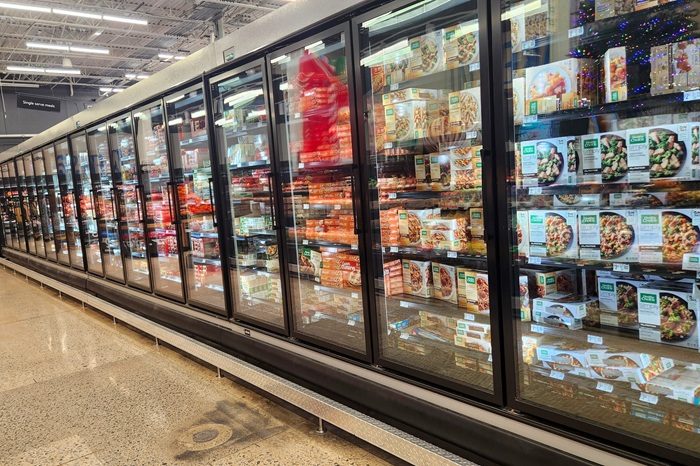
Commercial refrigeration systems are one of the most critical assets in food service, healthcare, and retail environments. From walk-in coolers to display cases, these systems are expected to operate continuously under demanding conditions. On average, commercial refrigeration systems can last anywhere from 10 to 20 years, but that lifespan depends heavily on how the system is used, maintained, and supported by its surrounding environment. Businesses that rely on commercial refrigeration systems often find that small operational factors can significantly influence long-term performance.
At Solid Refrigeration, systems are installed and serviced with longevity in mind, but understanding what affects system lifespan is just as important as proper installation. In this article, we’ll explore the most important factors that impact durability, including what shortens compressor life, how HVAC conditions play a role, the impact of maintenance routines, when to repair versus replace equipment, and which modern upgrades can extend operational life. Each of these elements contributes to how long a system will perform reliably in real-world conditions.
Key Factors That Shorten the Lifespan of Refrigeration Compressors
Refrigeration compressors are the core mechanical component responsible for circulating refrigerant and maintaining temperature stability. Their lifespan is directly tied to operating conditions, and one of the most common causes of premature failure is overheating. Excessive heat buildup often results from dirty condenser coils, restricted airflow, or high ambient temperatures. When compressors are forced to operate under elevated thermal stress for extended periods, internal components degrade faster, reducing efficiency and leading to eventual breakdown.
Another major factor is improper refrigerant charge. Systems that are undercharged or overcharged place unnecessary strain on compressors, forcing them to work harder to maintain pressure levels. This imbalance can lead to lubrication issues, where oil fails to circulate properly, increasing friction and wear on internal parts. Electrical issues, including voltage fluctuations and short cycling, also contribute to premature compressor failure. Frequent start-stop cycles prevent the system from stabilizing, accelerating mechanical fatigue.
Environmental contaminants such as moisture and debris can also damage compressors over time. When contaminants enter the refrigeration system, they can cause acid formation and corrosion inside the compressor housing. Businesses relying on commercial refrigeration systems must recognize that compressor longevity depends on maintaining stable operating conditions and preventing avoidable stress factors that compromise internal components.
How HVAC Conditions Influence Commercial Refrigeration System Longevity
The surrounding HVAC environment plays a critical role in determining how efficiently refrigeration systems operate. Commercial refrigeration units rely on proper heat exchange, and this process is heavily influenced by ambient air conditions. When HVAC systems fail to regulate temperature effectively, refrigeration equipment must compensate by working harder, which increases wear on compressors, fans, and condensers. High ambient temperatures, especially in kitchens or poorly ventilated storage areas, can significantly reduce system lifespan.
Airflow is another key factor. Inadequate ventilation restricts the ability of condenser coils to release heat, causing pressure levels within the system to rise. This results in increased energy consumption and mechanical strain. Humidity levels also contribute to system stress, particularly in walk-in coolers and freezers. Excess moisture leads to ice buildup on evaporator coils, reducing efficiency and forcing longer run cycles.
Coordinating HVAC performance with refrigeration requirements ensures balanced system operation. Temperature consistency, airflow management, and humidity control all influence how long refrigeration components can operate without excessive wear. Without proper environmental support, even well-installed systems will experience reduced longevity due to continuous operational strain.
How Maintenance Impacts the Lifespan of Walk-In Coolers and Freezers
Routine maintenance is one of the most effective ways to extend the lifespan of walk-in coolers and freezers. These systems operate continuously, and without scheduled inspections, minor issues can develop into major failures. Cleaning condenser and evaporator coils is a critical maintenance task, as dirt accumulation reduces heat transfer efficiency and forces the system to work harder to maintain temperature levels.
Regular inspection of door seals and gaskets also plays a significant role in system performance. Damaged or worn seals allow warm air infiltration, which increases compressor workload and leads to temperature fluctuations. Over time, this added strain accelerates wear on internal components. Maintenance routines also include checking refrigerant levels, inspecting electrical connections, and verifying proper airflow throughout the system.
Preventative maintenance reduces the likelihood of unexpected breakdowns and improves energy efficiency. Systems that receive consistent service tend to operate closer to their intended design specifications, which directly contributes to longer operational life. Without maintenance, performance declines gradually, often going unnoticed until major repairs are required.
When Businesses Should Repair vs Replace Commercial Refrigeration Equipment
Determining whether to repair or replace refrigeration equipment requires evaluating several technical and financial factors. Age is one of the primary considerations. Systems approaching or exceeding 15 years often experience declining efficiency and increased repair frequency. When major components such as compressors or evaporators fail in older systems, replacement may be more cost-effective than continued repairs.
Repair decisions also depend on the severity of the issue. Minor component failures, such as fan motors or thermostats, can typically be resolved without significant cost. However, repeated system failures indicate underlying issues that may not be fully addressed through repairs alone. Energy efficiency is another factor; older systems often consume more energy compared to newer models, leading to higher operating costs over time.
Downtime risk must also be considered. Businesses that rely heavily on refrigeration cannot afford frequent interruptions. If a system becomes unreliable, replacement may provide greater long-term stability. Evaluating repair costs against replacement investment helps determine the most practical solution for maintaining consistent operation.
Technological Upgrades That Extend the Life of Refrigeration Systems
Advancements in refrigeration technology have introduced several upgrades that improve system longevity and efficiency. One of the most impactful upgrades is the use of electronic expansion valves, which provide more precise control over refrigerant flow. This reduces strain on compressors and improves overall system stability. Variable speed compressors and fans also contribute to longer lifespan by adjusting output based on demand, minimizing unnecessary wear.
Smart monitoring systems have become increasingly valuable in commercial refrigeration. These systems track performance metrics in real time, allowing operators to identify inefficiencies or potential failures before they escalate. Early detection reduces the risk of major component damage and supports proactive maintenance strategies.
Upgrading insulation, door systems, and control panels further enhances system efficiency. Improved insulation reduces thermal load, while advanced controls optimize system performance under varying conditions. Businesses seeking long-term reliability often turn to modern solutions through Solid Refrigeration to integrate these technologies into existing systems, extending operational life while improving efficiency.
At Solid Refrigeration, we take pride in helping businesses get the most out of their refrigeration systems. Based at 1125 American Boulevard East, Bloomington, MN 55420, our team has been providing dependable service since 2005. Whether you are dealing with compressor issues, HVAC-related performance challenges, or questions about maintenance and system upgrades, we bring practical experience and proven solutions to every project.
We work closely with businesses to evaluate system performance, identify potential risks, and recommend the most effective path forward. From routine maintenance to full system installations, our approach is built around reliability and long-term efficiency. If you are unsure whether to repair or replace your equipment, or if you want to explore upgrades that can extend system life, our team is ready to help you make informed decisions.
Call us at 952-854-2850 to speak directly with our team. You can also contact us to schedule service or request more information. At Solid Refrigeration, one call does it all.