How Do Modern Technologies Improve Commercial Refrigeration Systems?
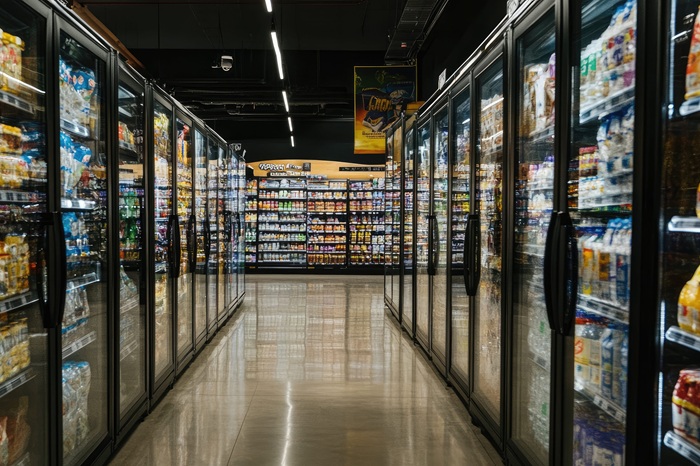
Commercial refrigeration systems have become far more advanced than the simple cooling units many operators relied on in the past. Today, modern technologies are reshaping how these systems function, combining data-driven insights with precision engineering to improve reliability, reduce energy consumption, and extend equipment lifespan. From grocery stores to food service operations, businesses depend on consistent temperature control to protect inventory, meet regulatory standards, and maintain operational efficiency. As systems evolve, understanding how these innovations work provides valuable insight into how refrigeration performance continues to improve across industries.
At companies like Solid Refrigeration, the focus on innovation reflects a broader industry shift toward smarter, more connected systems. Technologies such as smart sensors, automated controls, and integrated energy management platforms are changing how commercial refrigeration systems are monitored and optimized. This article explores how these advancements function in real-world applications, including how sensors track system performance, how automation improves efficiency, how remote monitoring identifies problems early, how HVAC integration enhances overall building performance, and what emerging technologies may shape the future of refrigeration systems.
How Smart Sensors Monitor Refrigeration Performance in Modern Systems
Smart sensors have become a core component in modern refrigeration systems, allowing continuous measurement of key performance indicators such as temperature, humidity, pressure, and compressor activity. These sensors collect highly granular data at frequent intervals, which allows operators to detect subtle variations that would otherwise go unnoticed. Temperature probes, for example, are placed at critical points throughout a refrigeration system, including evaporators, condensers, and storage areas, to confirm that conditions remain within strict operating thresholds.
Advanced sensor technology also supports predictive maintenance by identifying patterns that indicate early system degradation. Pressure sensors can reveal refrigerant leaks or compressor inefficiencies by detecting abnormal pressure changes. Similarly, vibration sensors monitor mechanical components such as motors and fans, identifying irregular movement that may signal wear or imbalance. These insights reduce unexpected failures by allowing service interventions before breakdowns occur.
In large-scale applications, sensor networks provide a system-wide view of performance, helping operators compare data across multiple units and locations. This level of monitoring supports compliance with food safety standards while improving operational consistency. The ability to track performance data continuously strengthens the reliability of commercial refrigeration systems, particularly in environments where even minor fluctuations can result in product loss.
How Automated Controls Improve Refrigeration Energy Efficiency
Automated control systems play a central role in reducing energy consumption within refrigeration operations. These systems use programmable logic controllers (PLCs) and advanced algorithms to adjust system performance dynamically based on real-time demand. Rather than operating at a constant output, compressors, fans, and valves respond to actual cooling requirements, reducing unnecessary energy usage during low-demand periods.
One widely used method involves variable speed drives (VSDs), which allow compressors and fan motors to operate at variable speeds instead of full capacity. This reduces electrical load and minimizes wear on components. Automated defrost cycles are another key feature, activating only when sensors detect frost accumulation rather than running on fixed schedules. This targeted approach reduces energy waste while maintaining system efficiency.
Automated controls also improve load balancing across multiple refrigeration units, distributing demand evenly to prevent overuse of individual components. By optimizing system operation continuously, these technologies help maintain stable temperatures while lowering operating costs. The result is a measurable improvement in energy efficiency without compromising performance or product integrity.
What Remote Monitoring Systems Detect Refrigeration Problems Early
Remote monitoring systems provide continuous oversight of refrigeration equipment by transmitting operational data to centralized platforms. These systems allow technicians and facility managers to observe system performance from any location, eliminating the need for constant on-site inspection. Alerts are triggered automatically when conditions fall outside predefined thresholds, allowing rapid response to emerging issues.
These systems detect a wide range of problems, including temperature deviations, refrigerant leaks, compressor failures, and airflow restrictions. For example, a gradual rise in temperature combined with increased compressor runtime may indicate a failing component or insufficient refrigerant levels. Remote systems can identify these trends early, often before they result in system shutdown or product spoilage.
Data logging and historical analysis further strengthen diagnostic capabilities. By reviewing performance trends over time, technicians can identify recurring issues and implement long-term solutions. Remote monitoring reduces downtime, improves maintenance planning, and supports regulatory compliance by maintaining detailed records of system performance.
How Energy Management Systems Integrate HVAC and Refrigeration Controls
Energy management systems (EMS) provide a centralized platform for controlling both HVAC and refrigeration systems within a facility. By integrating these systems, operators can coordinate energy usage more effectively, reducing overall consumption while maintaining optimal environmental conditions. Refrigeration systems often account for a significant portion of a facility’s energy demand, making integration a critical step in improving efficiency.
EMS platforms analyze data from multiple systems simultaneously, allowing coordinated adjustments based on occupancy levels, ambient temperature, and operational schedules. For example, reducing HVAC cooling in non-critical areas can offset the energy demand of refrigeration systems during peak usage periods. This coordinated approach improves overall energy distribution and reduces strain on electrical infrastructure.
Integration also supports demand response strategies, where facilities adjust energy usage in response to utility pricing or grid demand. By aligning HVAC and refrigeration performance, energy management systems help maintain stable conditions while lowering costs. This level of coordination is particularly valuable in large commercial environments where multiple systems operate simultaneously.
What Future Technologies Will Transform Commercial Refrigeration Operations
Emerging technologies are expected to further enhance the performance and sustainability of refrigeration systems. Artificial intelligence (AI) and machine learning are already being applied to optimize system operation by analyzing large datasets and identifying patterns that improve efficiency. These systems can automatically adjust operating parameters based on predictive models, reducing energy consumption while maintaining precise temperature control.
Advanced refrigerants with lower global warming potential (GWP) are also shaping the future of refrigeration. Natural refrigerants such as CO₂ and ammonia are gaining wider adoption due to regulatory changes and environmental considerations. These refrigerants require specialized system designs, but they offer improved efficiency and reduced environmental impact compared to traditional options.
Connectivity will continue to expand through the use of Internet of Things (IoT) platforms, enabling seamless communication between equipment, sensors, and control systems. As these technologies evolve, businesses will have greater visibility and control over their refrigeration operations.
At Solid Refrigeration, we work directly with businesses across Bloomington, MN and surrounding areas to improve refrigeration system performance using modern technology. Our team understands how smart sensors, automated controls, and remote monitoring systems work together to maintain consistent temperatures and reduce energy consumption. We apply this knowledge when designing, installing, and servicing systems that meet the demands of commercial environments.
Whether you are looking to improve energy efficiency, identify performance issues early, or integrate refrigeration with HVAC systems, we provide solutions tailored to your operation. Our experience with advanced controls and system optimization allows us to support long-term performance and reliability. We also stay current with emerging technologies that continue to shape the future of refrigeration systems.
If you need assistance with system upgrades, maintenance, or new installations, contact Solid Refrigeration at 952-854-2850 or visit us at 1125 American Boulevard East, Bloomington, MN. You can also contact us to speak with our team and learn more about how we can support your refrigeration needs.