How Do Commercial Refrigeration Energy Audits Work?
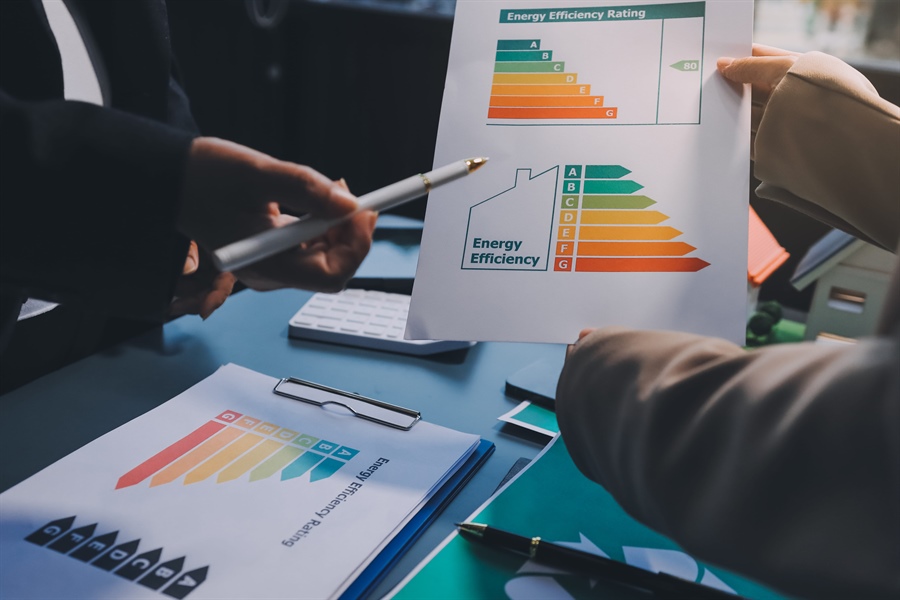
Commercial refrigeration systems operate continuously, making them one of the largest energy consumers in food service, grocery, and cold storage environments. Understanding how energy is used—and where it is lost—is critical for maintaining efficiency and controlling operational costs. A refrigeration energy audit is a structured evaluation that examines system performance, identifies inefficiencies, and highlights measurable opportunities to reduce energy consumption without compromising temperature control or product integrity. Companies like Solid Refrigeration have built their expertise around analyzing these complex systems and identifying performance gaps that often go unnoticed during day-to-day operations.
In practice, energy audits go far beyond a surface-level inspection. They involve detailed data collection, system diagnostics, and performance benchmarking across refrigeration and HVAC components. This article explores the full scope of the audit process, including what data is analyzed, how HVAC efficiency is evaluated, the types of equipment upgrades typically recommended, how return on investment is calculated, and how these audits contribute to long-term system reliability. Each of these areas plays a critical role in helping businesses better understand their refrigeration systems and make informed operational decisions. For a deeper look at professional refrigeration energy audits, continue reading.
What Data Is Analyzed During a Commercial Refrigeration Energy Audit
A refrigeration energy audit begins with comprehensive data collection that captures how the system operates under real-world conditions. This includes electrical consumption data, compressor runtime, suction and discharge pressures, evaporator and condenser temperatures, and defrost cycle frequency. These parameters are essential for establishing a performance baseline. Energy auditors often use data loggers and monitoring systems to track these metrics over time, ensuring that transient inefficiencies—such as short cycling or excessive load variation—are accurately captured rather than missed in a single inspection.
In addition to mechanical performance data, auditors evaluate environmental factors that influence system efficiency. Ambient temperature, humidity levels, door opening frequency, and product load all affect refrigeration demand. For example, frequent door openings in walk-in coolers can introduce warm air, increasing compressor workload and energy consumption. By correlating environmental data with system performance, auditors can determine whether inefficiencies are due to equipment limitations or operational practices.
Another critical dataset involves energy usage patterns across different system components. Compressors, fans, lighting, and defrost heaters are analyzed individually to identify disproportionate energy draw. This granular approach allows auditors to isolate inefficiencies and prioritize corrective actions. Insights gathered from detailed refrigeration energy audits often reveal hidden energy losses that are not apparent through standard maintenance checks.
How HVAC Efficiency Is Evaluated During Refrigeration Energy Assessments
HVAC systems play a direct role in refrigeration efficiency because they control the ambient conditions surrounding refrigeration equipment. During an energy assessment, auditors evaluate airflow distribution, ventilation rates, and temperature consistency within the facility. Poor airflow or uneven temperature zones can force refrigeration systems to compensate, increasing energy consumption and reducing overall efficiency.
Efficiency evaluation also includes analyzing heat rejection processes. Condensers rely on adequate airflow and clean surfaces to dissipate heat effectively. If HVAC systems fail to maintain proper ambient conditions, condenser performance declines, leading to higher compressor discharge pressures and increased energy use. Auditors measure these interactions using pressure-temperature relationships and system load calculations to determine whether HVAC inefficiencies are impacting refrigeration performance.
Another key factor is the integration between HVAC and refrigeration controls. Advanced systems use coordinated control strategies to balance cooling loads across both systems. Auditors assess whether these controls are properly configured and functioning as intended. Misaligned control settings can lead to simultaneous heating and cooling cycles, significantly increasing energy waste.
Common Equipment Upgrades Recommended After a Refrigeration Energy Audit
Energy audits frequently identify outdated or inefficient components that limit system performance. One of the most common recommendations is upgrading compressors to high-efficiency models with variable speed capabilities. Variable speed compressors adjust output based on load demand, reducing energy consumption during partial load conditions, which are common in most refrigeration applications.
Another common upgrade involves replacing standard evaporator and condenser fans with electronically commutated (EC) motors. These motors offer higher efficiency and better speed control, allowing for optimized airflow and reduced energy use. In addition, LED lighting upgrades within refrigerated spaces reduce both electrical consumption and heat generation, which further lowers refrigeration load.
Auditors also recommend improvements to system controls, such as installing advanced energy management systems that optimize defrost cycles and compressor staging. These upgrades are based on measured performance data rather than assumptions, ensuring that each recommendation directly addresses identified inefficiencies. Evidence from industry studies consistently shows that targeted equipment upgrades can reduce refrigeration energy consumption by 10–30% when properly implemented.
How Businesses Calculate ROI from Refrigeration Efficiency Improvements
Return on investment (ROI) calculations for refrigeration improvements are grounded in measurable energy savings and operational cost reductions. The process begins by establishing a baseline energy consumption level from audit data. Projected savings are then calculated based on the expected performance improvements of recommended upgrades, using verified efficiency ratings and historical operating data.
Cost inputs include equipment purchase, installation, and any associated downtime. These costs are compared against projected annual energy savings to determine payback periods. For example, if an upgrade reduces energy consumption by 20% and results in $10,000 in annual savings, the payback period can be calculated by dividing the total project cost by the annual savings. This method provides a clear financial metric for decision-making.
Advanced ROI models also account for maintenance savings and extended equipment lifespan. Efficient systems experience less wear and tear, reducing repair frequency and downtime costs. These additional benefits are quantified to provide a more accurate representation of long-term financial impact, allowing businesses to make data-driven investment decisions.
How Energy Audits Improve Long-Term Refrigeration Reliability
Energy audits contribute to system reliability by identifying operational stress points that can lead to equipment failure. High compressor discharge temperatures, excessive cycling, and improper defrost scheduling are common issues uncovered during audits. Addressing these problems reduces mechanical strain and extends component lifespan.
Reliability improvements also come from optimizing system balance. When all components—compressors, evaporators, condensers, and controls—operate within their designed parameters, the system experiences fewer fluctuations and less stress. Audits ensure that each component is properly sized and functioning correctly, preventing cascading failures that can occur when one part of the system is underperforming.
Long-term data monitoring, often recommended after an audit, allows businesses to track system performance continuously. This proactive approach enables early detection of issues before they escalate into costly failures. Many organizations rely on ongoing performance insights provided through platforms like Solid Refrigeration to maintain consistent system reliability over time.
Work with Solid Refrigeration for Energy Audits and System Optimization
At Solid Refrigeration, we take a data-driven approach to understanding how commercial refrigeration systems perform in real-world conditions. From analyzing system data and HVAC interactions to identifying upgrade opportunities and calculating ROI, we provide clear, measurable insights that help businesses operate more efficiently. Our team works directly with facility managers, grocery stores, and cold storage operators to uncover inefficiencies and improve system performance.
We guide businesses through every stage of the energy audit process, helping them understand what data matters, how HVAC systems influence refrigeration efficiency, and which equipment upgrades deliver the most value. Our experience allows us to identify practical improvements that reduce energy use while supporting long-term reliability. Whether it's optimizing compressor performance or improving airflow management, we focus on solutions backed by real performance data.
If you're looking to improve efficiency and extend the lifespan of your refrigeration systems, our team is ready to help. Contact Solid Refrigeration at 952-854-2850 or visit us at 1125 American Boulevard East, Bloomington, MN 55425. You can also contact us online to schedule a consultation and learn more about how we can support your operation.